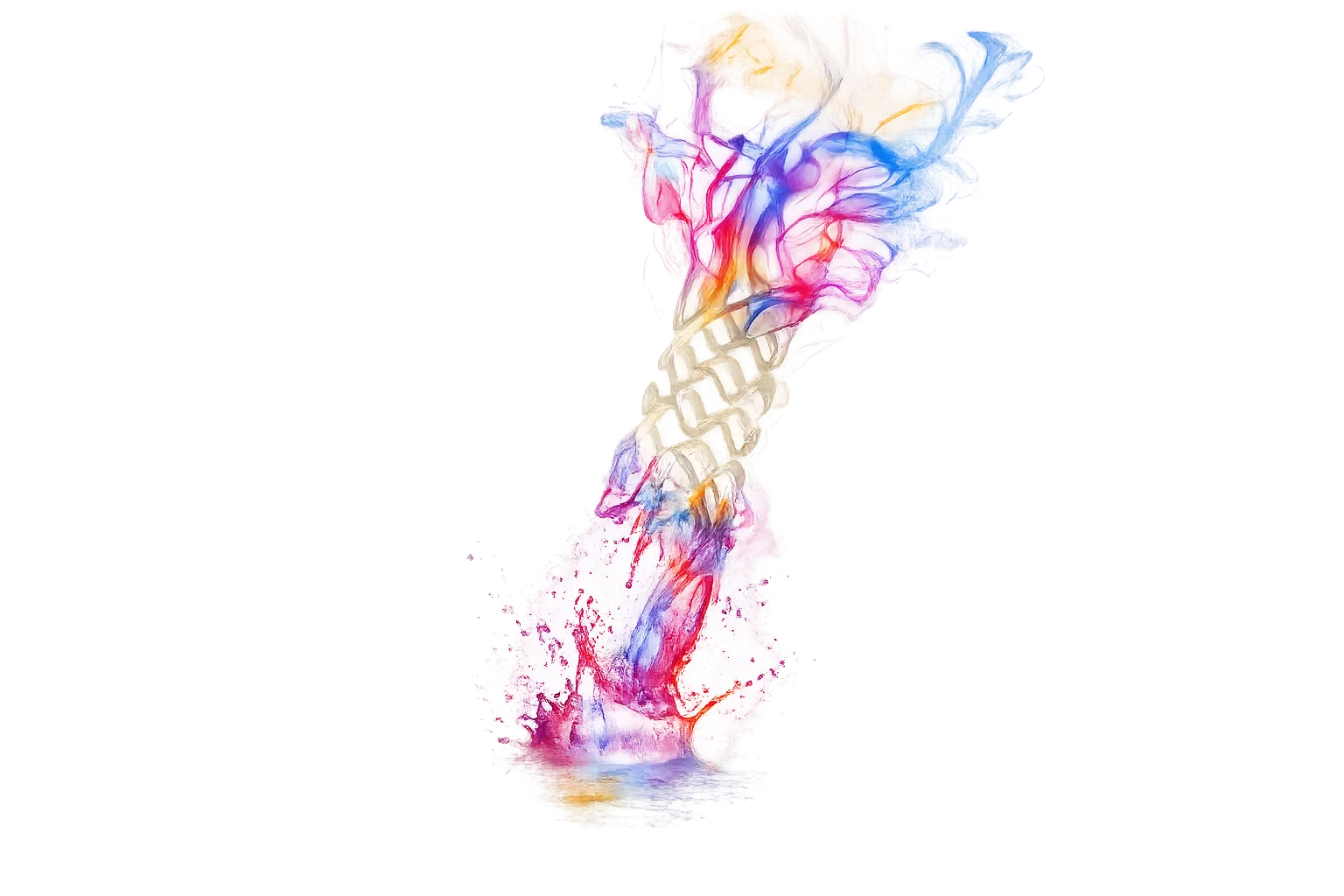
MeRes100™ bioresorbable vascular scaffold
An implantable bioresorbable scaffold designed to restore coronary artery lumen in patients with coronary artery disease. The device provides temporary vessel support and subsequently undergoes resorption, supporting the restoration of natural vascular function.
Key feature: thin-profile design and bioresorbable polymer base
The MeRes100™ design combines a thin strut profile with a bioresorbable polymer base. This architecture is intended to reduce vessel wall trauma during implantation and provide temporary support to the treated coronary artery segment.
The hybrid design and manufacturing process allow early mechanical vessel support to be combined with subsequent gradual resorption of the implant.
Drug action and biomechanics
- Controlled sirolimus release: the coating contains sirolimus, an antiproliferative drug substance whose release is intended to reduce the risk of neointimal hyperplasia and restenosis.
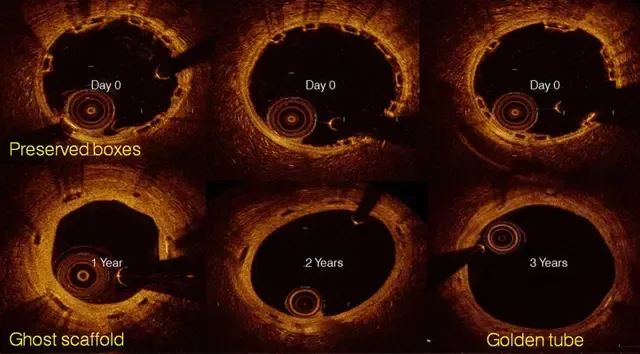
- Bioresorbable scaffold: the scaffold is made of a biocompatible polymer that gradually undergoes hydrolytic degradation. Resorption timelines and degradation products should be stated in accordance with the manufacturer’s documentation.
- Clinical data: long-term safety outcomes, including scaffold thrombosis data and maintenance of vessel lumen, should be stated only with reference to a specific study, number of patients, and follow-up period.
Design and deliverability
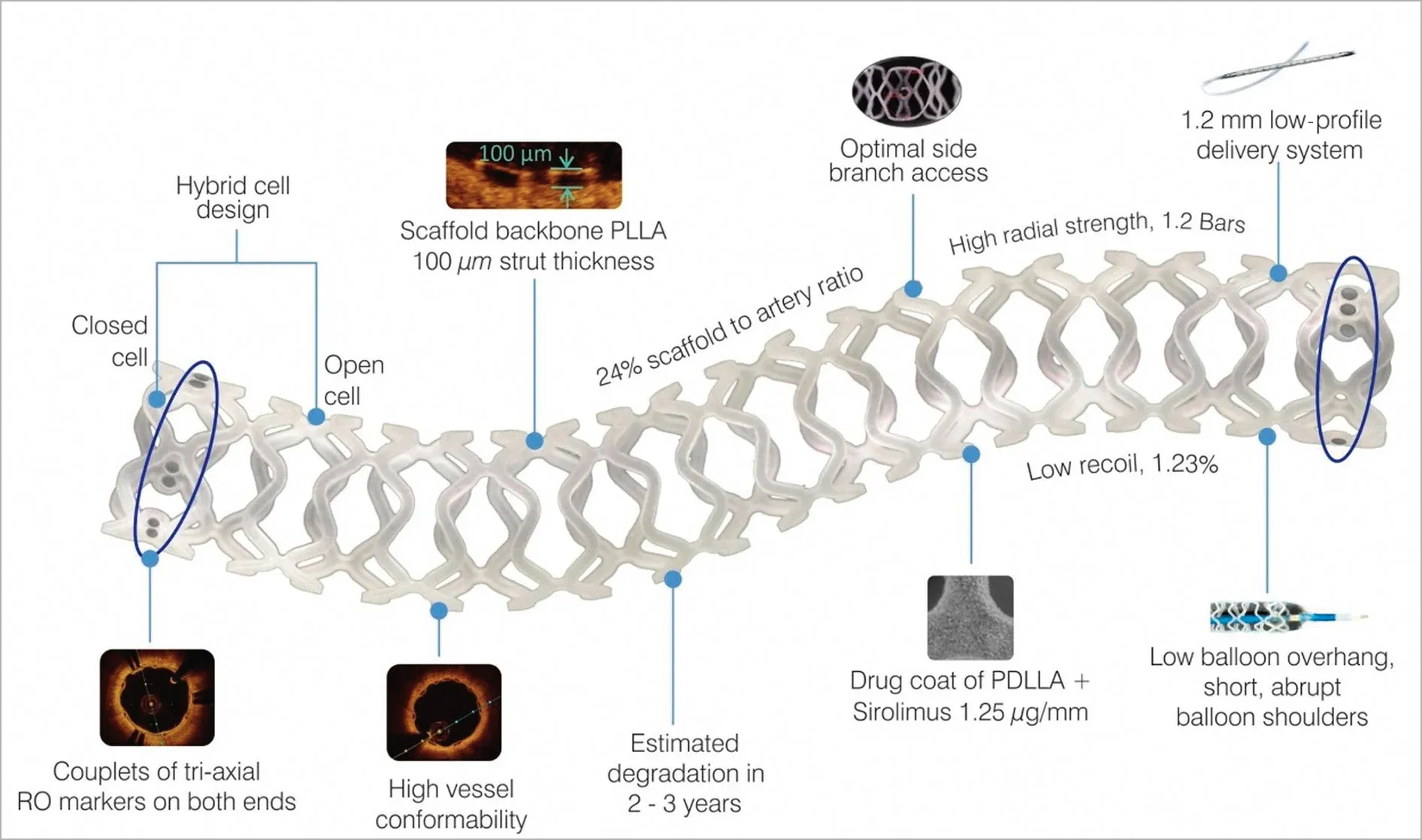
- Hybrid cell design: the combination of open and closed architectural elements is intended to balance flexibility, conformability, and vessel wall support.
- Access to side branches: the cell geometry helps preserve access to side branches when working in bifurcation areas, if specified in the manufacturer’s instructions.
- Balloon delivery system: limited balloon overhang beyond the scaffold edges and smooth balloon shoulders are intended to reduce the risk of trauma to the lesion edge zones.
Visualization and positioning
- Radiopaque markers: the scaffold is equipped with paired triaxial radiopaque markers at the proximal and distal ends.
- Fluoroscopic control: the marker system helps assess scaffold position relative to the lesion borders and the markers of the balloon delivery catheter.
Benefits for the clinic and physician
- Rx delivery system: the system uses a Rapid Exchange / Rx catheter with an optimized outer shaft profile and a design intended to support kink resistance.
- Size range: various length and diameter options are available for scaffold selection according to vessel anatomy and lesion parameters.
- Compatibility with PTCA instrumentation: the device is intended for use with standard guidewires and catheters for percutaneous transluminal coronary angioplasty, if confirmed by the manufacturer’s instructions.
Indications for use
- Symptomatic coronary artery disease.
- De novo lesions in native coronary arteries.
- Use in patients indicated for percutaneous transluminal coronary angioplasty, in accordance with the official indications.
Materials used
- Scaffold frame: bioresorbable poly-L-lactide (PLLA) intended to provide temporary mechanical vessel support.
- Carrier coating: poly-DL-lactide (PDLLA) providing controlled drug release.
- Active component: sirolimus, an antiproliferative macrocyclic lactone.
- Markers: platinum-iridium alloy for radiopaque visualization.
System components
- Balloon-expandable bioresorbable scaffold with a drug coating.
- Delivery system — balloon dilatation catheter.
- Protective packaging elements and disposable stylet, if included in the manufacturer’s configuration.
Certification and safety
The device should be used in accordance with the manufacturer’s instructions and requirements for handling sterile medical devices.
- The system is supplied sterile, if confirmed by the manufacturer’s documentation.
- The sterilization method — electron-beam sterilization — should be stated only if confirmed in the IFU or technical datasheet.
- The device is intended for single use.
- CE marking and compliance with applicable quality and safety standards should be stated in accordance with current manufacturer documentation.
Related Products
Vascular Intervention
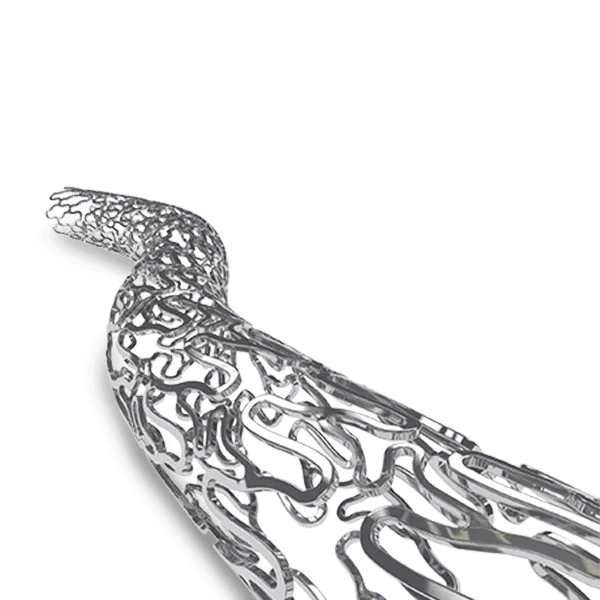
BioMime Aura™ Sirolimus-Eluting Coronary Stent System
A sirolimus-eluting coronary stent system with a biodegradable polymer coating. Designed for the treatment of complex coronary artery lesions, the system supports predictable stent deployment, high flexibility, and smooth intravascular navigation.
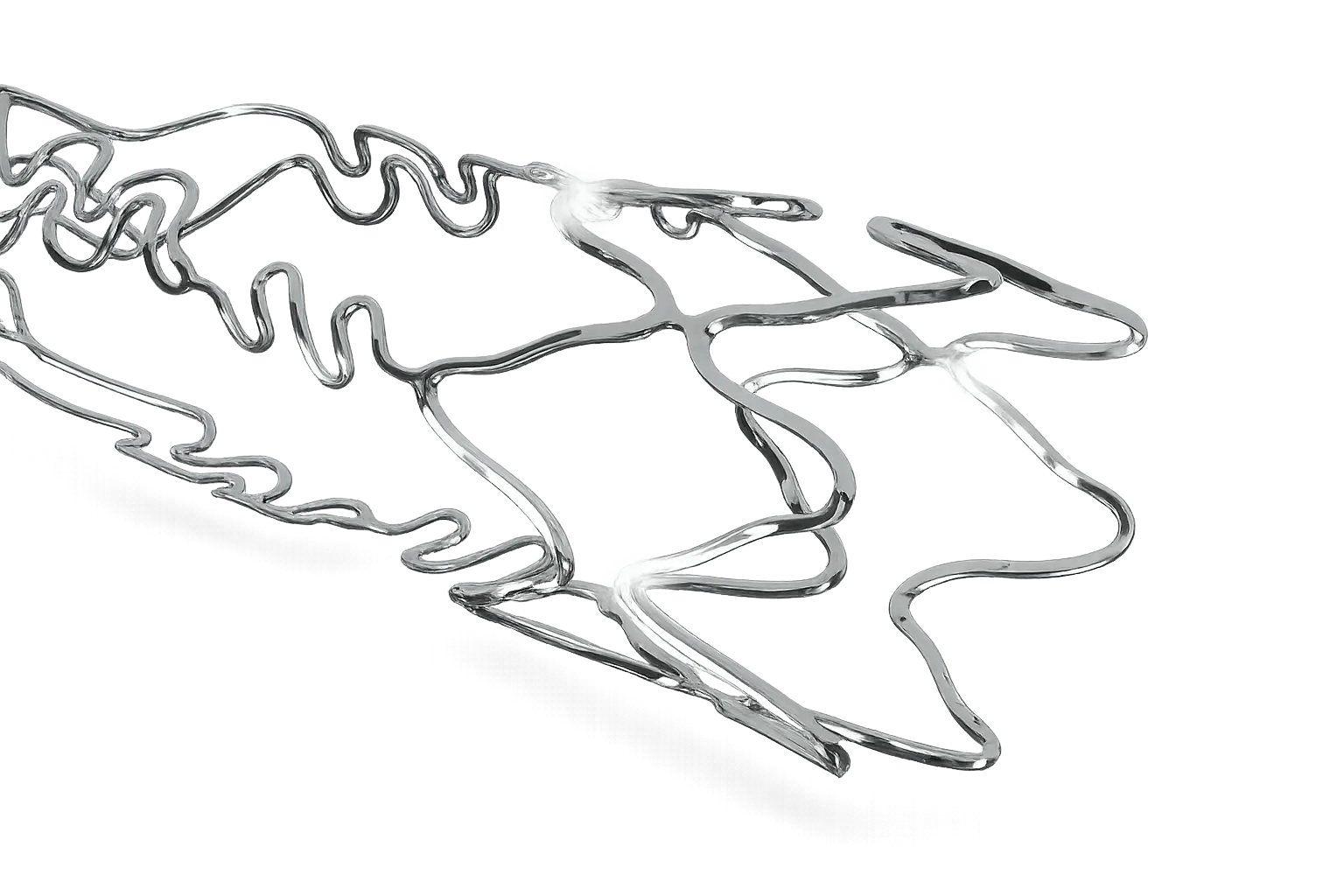
BioMime™ Branch Sirolimus Eluting Coronary Stent System
A coronary artery side-branch stent system with a sirolimus-based antiproliferative coating. Intended for the treatment of primary bifurcation lesions, the system is designed to support vessel lumen expansion and help reduce the risk of restenosis.
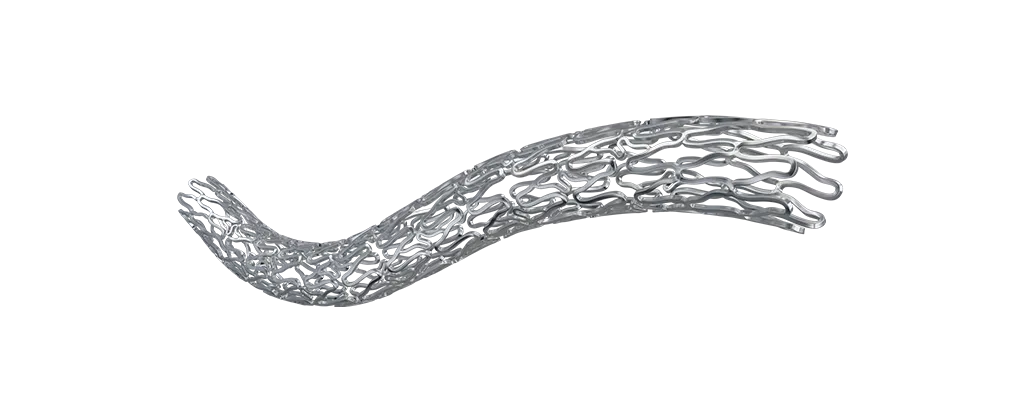
BioMime™ Morph Sirolimus-Eluting Coronary Stent System
A sirolimus-eluting coronary stent with an innovative tapered design. Developed to match the physiological anatomy of tapering vessels, it is intended for the treatment of long lesions without the need for multiple overlapping stents.
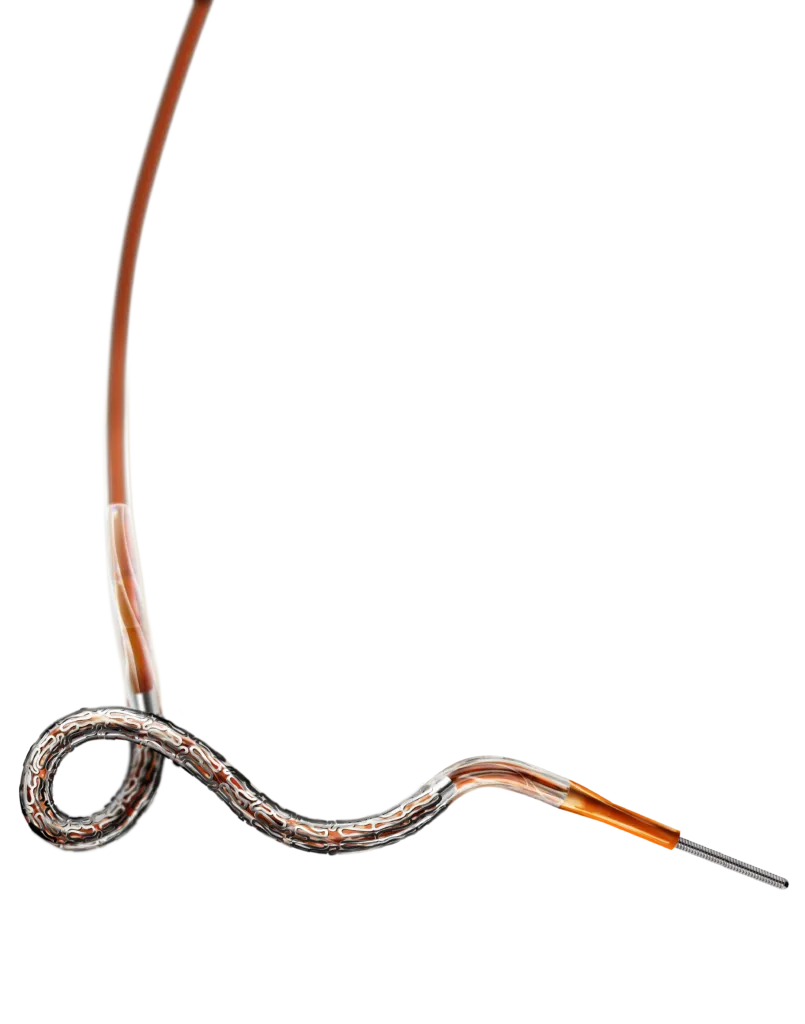
Evermine50™ Everolimus-Eluting Coronary Stent System
An everolimus-eluting coronary stent system intended to increase vessel lumen diameter in patients with symptomatic coronary artery disease. Designed for the treatment of both *de novo* and restenotic lesions in native coronary arteries.