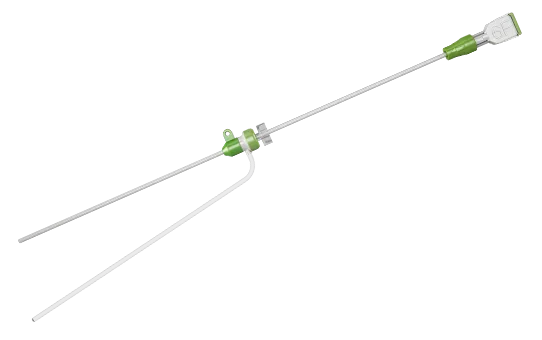
Obtura™ Vascular Closure Device
A bioresorbable vascular closure system designed for closure of femoral artery access sites. The device supports rapid hemostasis and early patient mobilization after diagnostic or interventional endovascular procedures.
Key feature: deployment without replacing the working introducer sheath

Obtura™ is designed for closure of femoral artery puncture sites using the standard working sheath used during the procedure. Device deployment does not require replacement of the introducer sheath, which may reduce the number of manipulations at the vascular access site.
This design is intended to reduce blood loss during transition to puncture-site closure, optimize procedural time, and minimize additional tissue trauma.
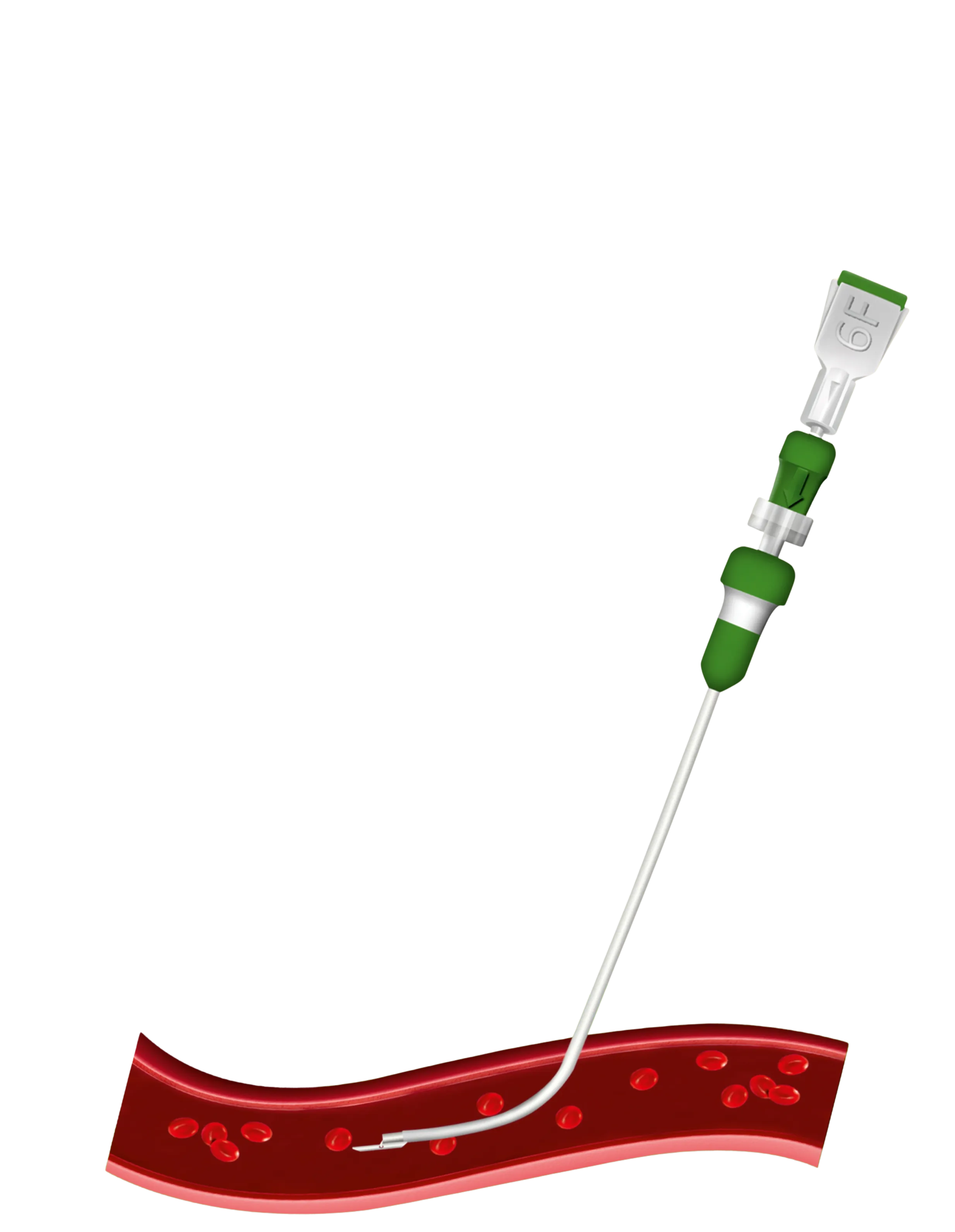
Closure mechanism and hemostasis
Closure of the arteriotomy site is achieved through a mechanical compression principle, with the vessel wall positioned between an intravascular anchor and an external collagen sponge.
- Mechanical hemostasis: the vessel wall is secured between the intravascular anchor and the collagen component, helping stop bleeding at the puncture site.
- Bioresorbable components: the implantable elements of the device gradually resorb in the body. Resorption timelines should be stated in accordance with the manufacturer’s documentation.
- Collagen hemostatic sponge: collagen supports local hemostasis by assisting the natural blood coagulation process at the puncture site.
Ergonomics and system design
The Obtura™ design is intended for step-by-step device deployment with visual and tactile control.
- Delivery through the working sheath: the Bypass tube allows the device to be introduced through the hemostatic valve of the introducer sheath.
- Visual markers: the orientation marker and compaction marker help control device positioning and suture tension.
- Color coding: helps identify compatibility between the device and the size of the introducer sheath being used.
- Compactor slider: provides controlled deployment and fixation of the device components during placement.
Safety and patient recovery
- Early mobilization: mechanical closure of the puncture site may facilitate earlier patient mobilization after diagnostic or interventional procedures, if supported by the clinical protocol.
- Reduced risk of access-site complications: avoiding introducer sheath replacement and controlled arteriotomy closure may reduce the risk of vascular access-site complications. Specific rates of hematoma, pseudoaneurysm, and other complications should be stated only when supported by clinical data.
- Sterility and single use: the device is supplied sterile and intended for single use, if confirmed by the manufacturer’s instructions.
Indications and areas of use
- Hemostasis and closure of the femoral artery puncture site.
- Use after diagnostic or interventional catheterization procedures performed via standard femoral vascular access.
Materials used
The implantable part of Obtura™ uses biocompatible bioresorbable materials.
- PDLG bioresorbable polymer anchor: provides internal support from the arterial lumen side during puncture-site closure.
- Collagen hemostatic sponge: component made of bovine type I collagen, intended to support local hemostasis.
- PGA self-tightening suture: polyglycolic acid suture connects the anchor and collagen component, forming the compression closure system.
System components
The device includes the following elements:
- bioresorbable implant: anchor, collagen sponge, and suture;
- delivery system with rod and slider;
- tamper / compaction tube for compression of the collagen component;
- bypass guide tube for device introduction through the working sheath.
Certification and safety
- The device is sterilized by gamma irradiation, if confirmed by the manufacturer’s documentation.
- Non-pyrogenic status should be stated in accordance with the manufacturer’s instructions.
- CE marking and compliance with applicable medical device quality and safety requirements should be confirmed by current manufacturer documentation.
Related Products
Vascular Intervention
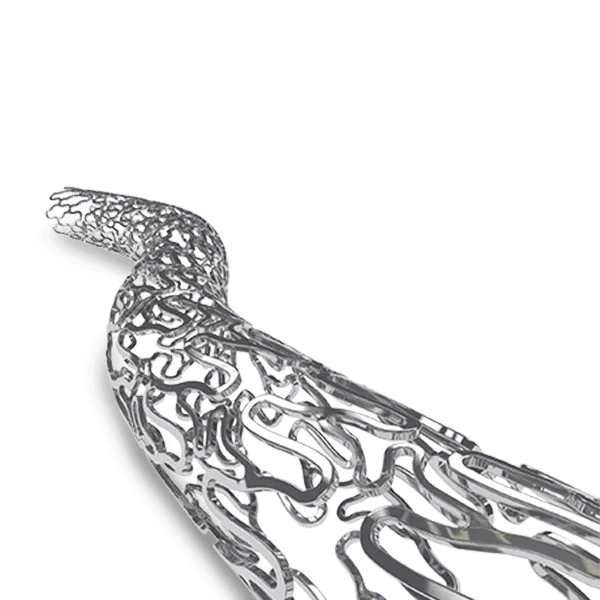
BioMime Aura™ Sirolimus-Eluting Coronary Stent System
A sirolimus-eluting coronary stent system with a biodegradable polymer coating. Designed for the treatment of complex coronary artery lesions, the system supports predictable stent deployment, high flexibility, and smooth intravascular navigation.
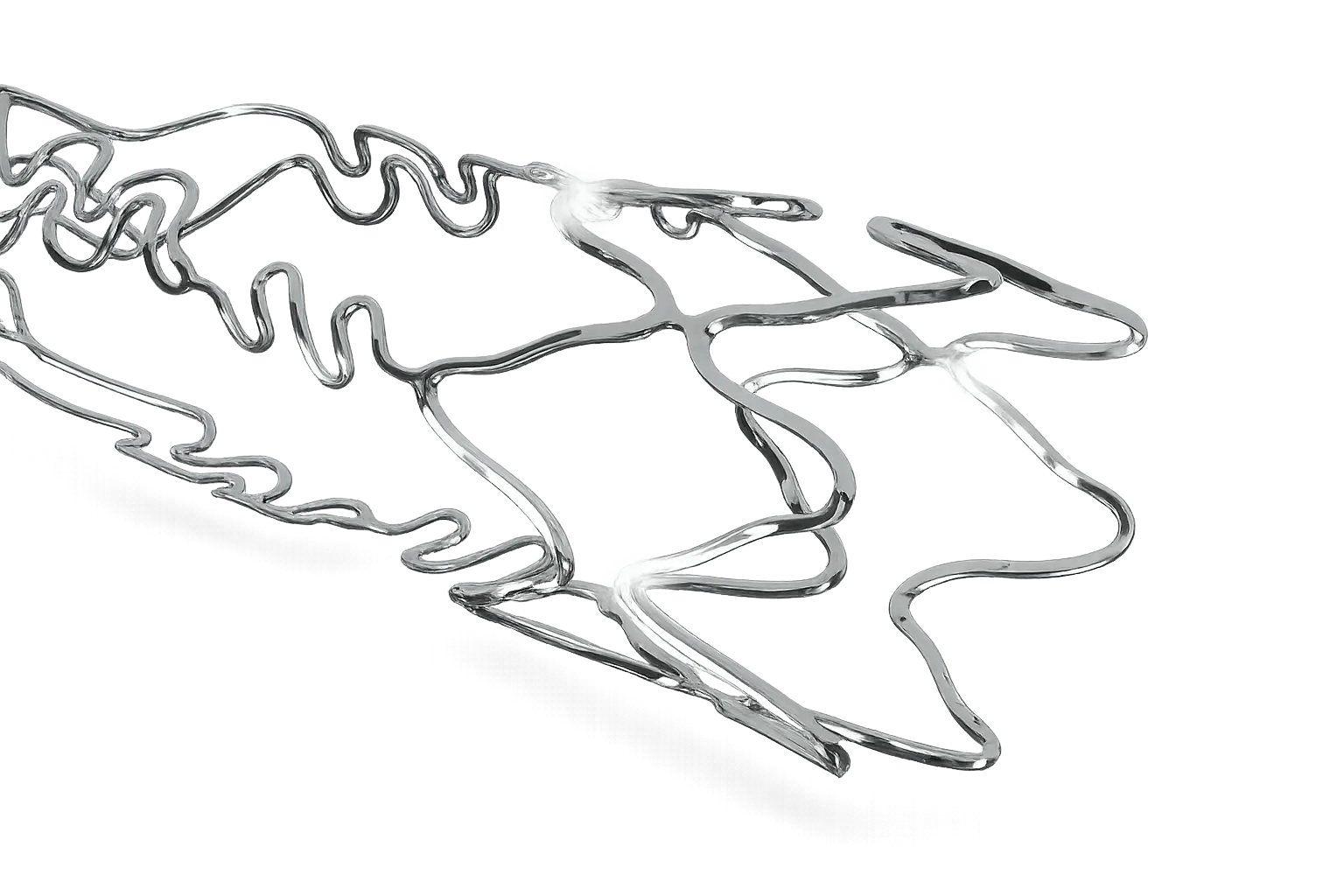
BioMime™ Branch Sirolimus Eluting Coronary Stent System
A coronary artery side-branch stent system with a sirolimus-based antiproliferative coating. Intended for the treatment of primary bifurcation lesions, the system is designed to support vessel lumen expansion and help reduce the risk of restenosis.
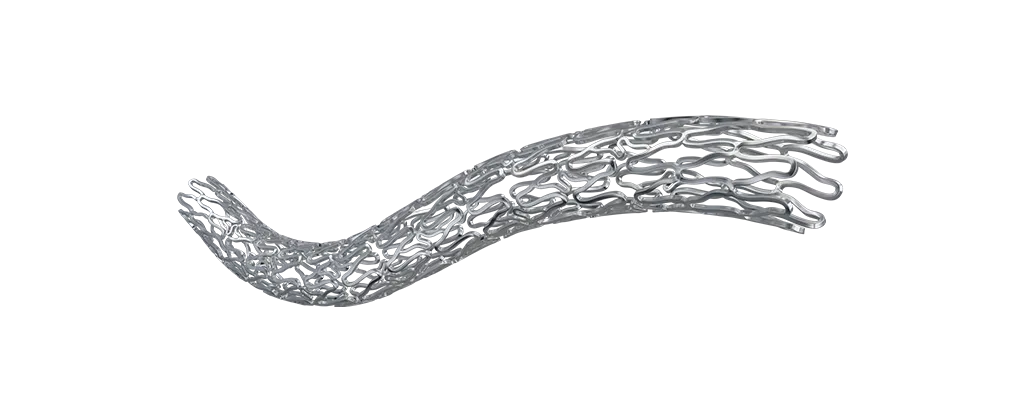
BioMime™ Morph Sirolimus-Eluting Coronary Stent System
A sirolimus-eluting coronary stent with an innovative tapered design. Developed to match the physiological anatomy of tapering vessels, it is intended for the treatment of long lesions without the need for multiple overlapping stents.
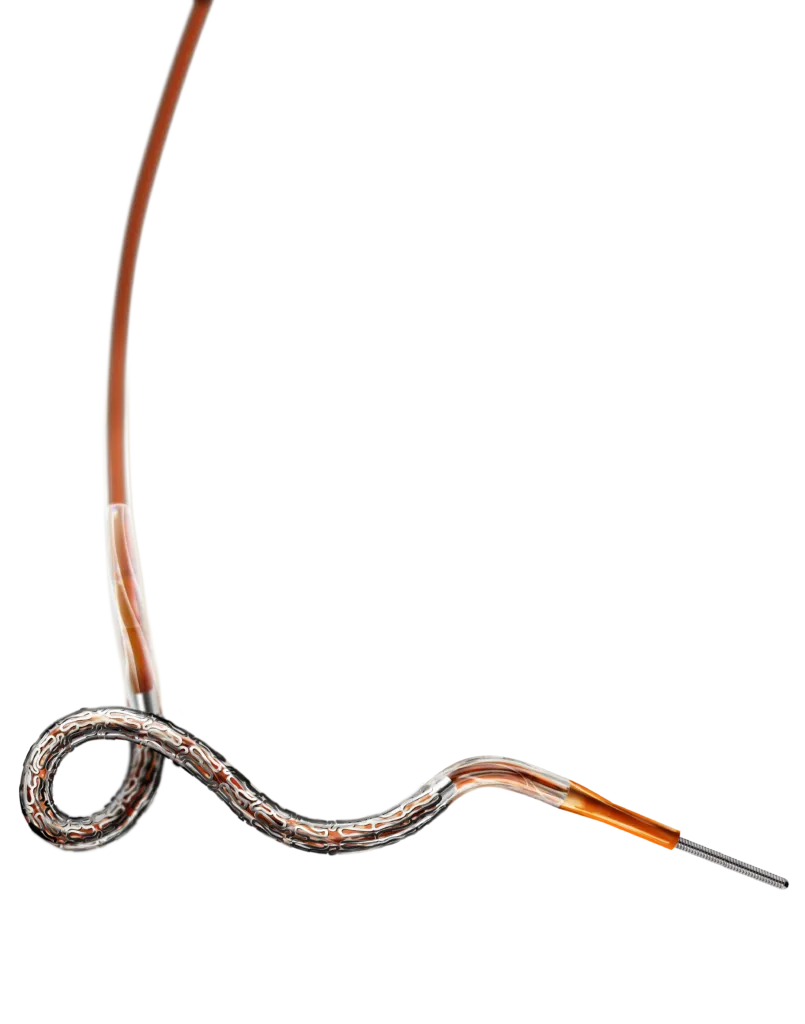
Evermine50™ Everolimus-Eluting Coronary Stent System
An everolimus-eluting coronary stent system intended to increase vessel lumen diameter in patients with symptomatic coronary artery disease. Designed for the treatment of both *de novo* and restenotic lesions in native coronary arteries.