Myval™ Transcatheter Heart Valve (THV)
A transcatheter heart valve system for minimally invasive treatment of patients with severe symptomatic native aortic valve stenosis. The Myval™ system is designed to support precise orthotopic positioning, optimized hemodynamic performance, and controlled valve deployment.
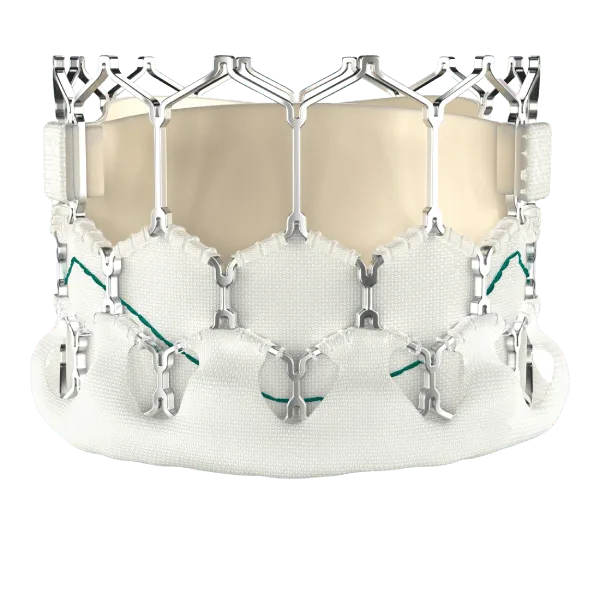
Key feature: Hybrid Honeycomb Cell Design
The geometry of the Myval™ nickel-cobalt frame combines different cell types to address several requirements during transcatheter aortic valve implantation.
- Open cells in the upper section help preserve access to the coronary ostia and may facilitate future coronary interventions.
- Closed cells in the lower section are intended to provide radial support, valve fixation at the annular level, and stable implant positioning after deployment.
Valve design and hemodynamics
The valve components are designed to support stable implantation, sealing of the landing zone, and post-deployment hemodynamic performance.
- Trileaflet valve made of bovine pericardium: the treated biological material allows the leaflets to function in a manner similar to a native valve and is intended to reduce the transvalvular pressure gradient.
- Dual PET sealing: the inner polyethylene terephthalate (PET) cuff protects the structure during crimping and delivery, while the outer PET covering helps seal the landing zone and reduce the risk of paravalvular leak (PVL).
- Size range: available diameters allow valve selection according to aortic root anatomy and annular dimensions.
Visualization and positioning
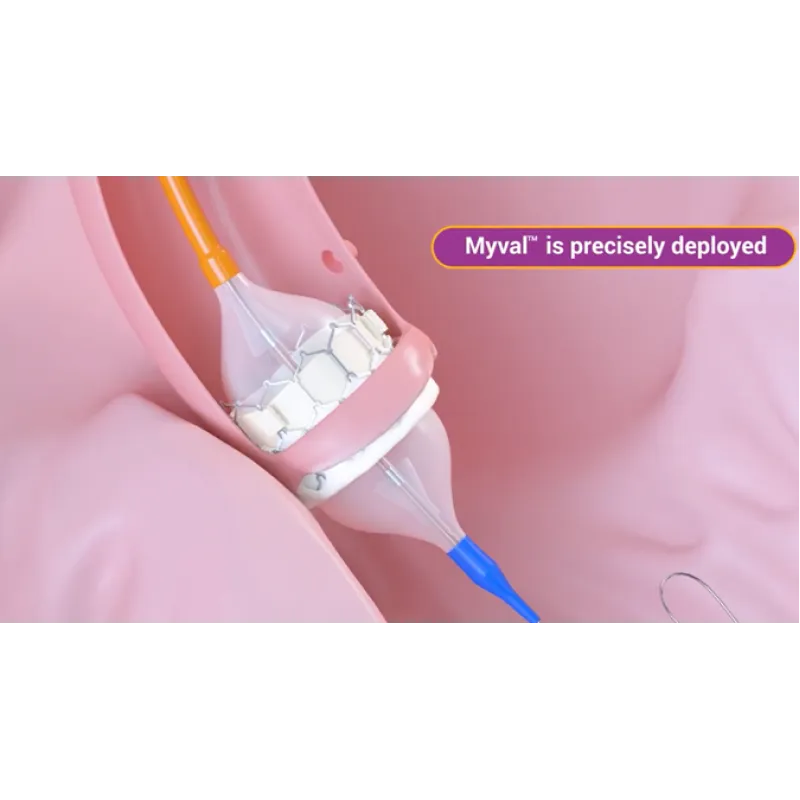
The Myval™ system is designed to support valve position control under fluoroscopy during delivery, positioning, and deployment.
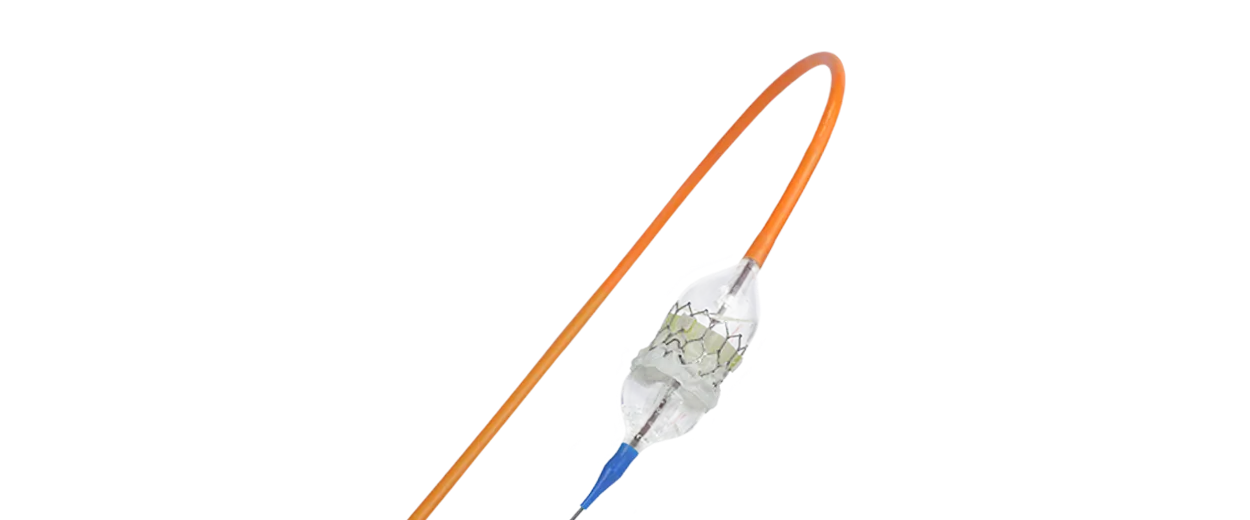
- Fluoroscopic landmarks: V-shaped folds and vertical frame connectors form visual landmarks during crimping, helping assess valve position.
- Landing zone: a dense row of markers helps the operator align the valve with the plane of the native aortic annulus before deployment.
Delivery system and implantation preparation
The Myval™ procedural components are intended for preparation, delivery, and deployment of the transcatheter valve in the native aortic valve position.
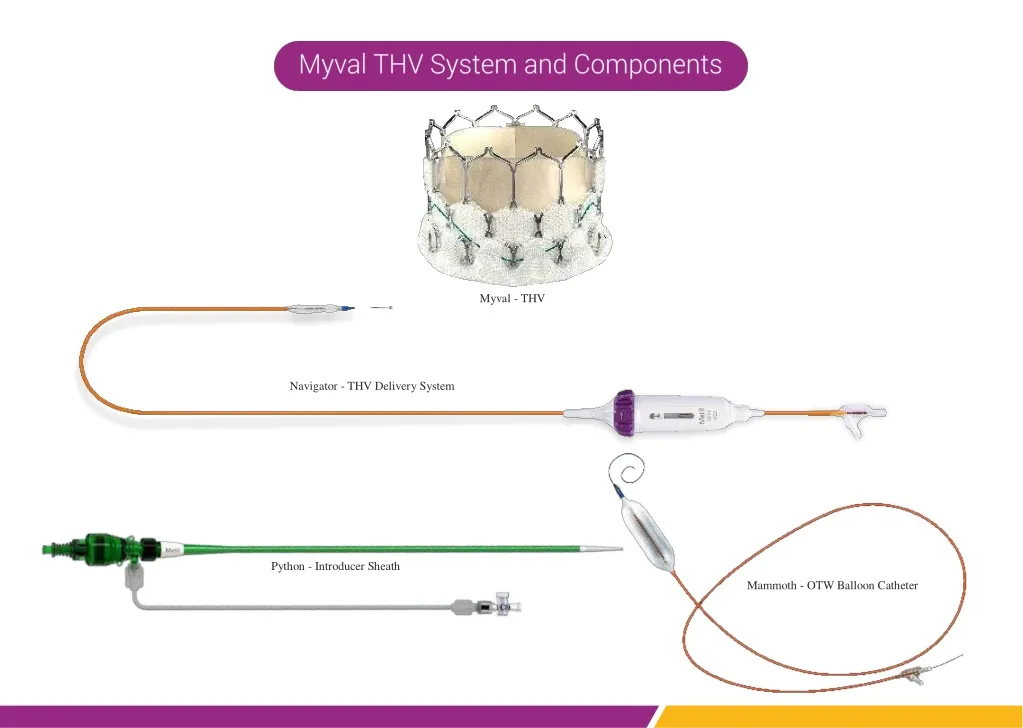
- Navigator™ delivery system: equipped with a balloon with two inflation ports, enabling synchronized expansion of the distal and proximal balloon sections. This mechanism is intended to stabilize the valve during the deployment phase.
- Direct crimping onto the balloon: allows the valve to be prepared directly on the delivery system balloon and reduces the number of preparation steps.
- Mammoth™ dilatation catheter: an over-the-wire balloon catheter with a soft tapered distal tip and a surface designed to support stable positioning during predilatation.
- Python™ introducer: an expandable sheath with a hydrophilic coating that adapts to the passage of the crimped valve and supports low-profile percutaneous access.
Clinical data and safety
The clinical characteristics of Myval™ were evaluated in the Myval-1 Study. Efficacy and safety outcomes should be stated only with reference to the study design, number of patients, follow-up period, and assessment criteria.
- Device success: reported device success rates should be stated in connection with the specific study and endpoint definition.
- Conduction disturbances and pacemaker implantation: data on the need for new permanent pacemaker implantation should be reported only according to the results of a specific study and follow-up period.
- Mortality, stroke, and repeat interventions: 0% rates should be used only with a precise reference to the study, sample size, and follow-up duration.
- Hemodynamics: reductions in peak and mean transaortic pressure gradients should be stated with numerical values and the time point of assessment.
- Left ventricular function: left ventricular ejection fraction (LVEF) data should be provided only when supported by confirmed clinical results.
Indications for use
- Severe symptomatic native aortic valve stenosis.
- Calcific aortic stenosis in patients at high surgical risk, if specified in the manufacturer’s instructions.
Materials used
- Frame: biocompatible nickel-cobalt alloy providing radial support and visualization under fluoroscopy.
- Valve leaflets: treated bovine pericardium with anti-calcification treatment, if confirmed by the manufacturer’s documentation.
- Cuffs and sealing elements: polyethylene terephthalate (PET).
System components
- Myval™ transcatheter heart valve.
- Navigator™ transcatheter valve delivery system.
- Mammoth™ balloon dilatation catheter.
- Python™ expandable introducer set, including dilator and hemostatic valve.
- Valve crimping device — sterile or non-sterile, depending on the supplied configuration.
Implantable components are supplied sterile, non-pyrogenic, and intended for single use, if confirmed by the manufacturer’s documentation.
Related Products
Vascular Intervention
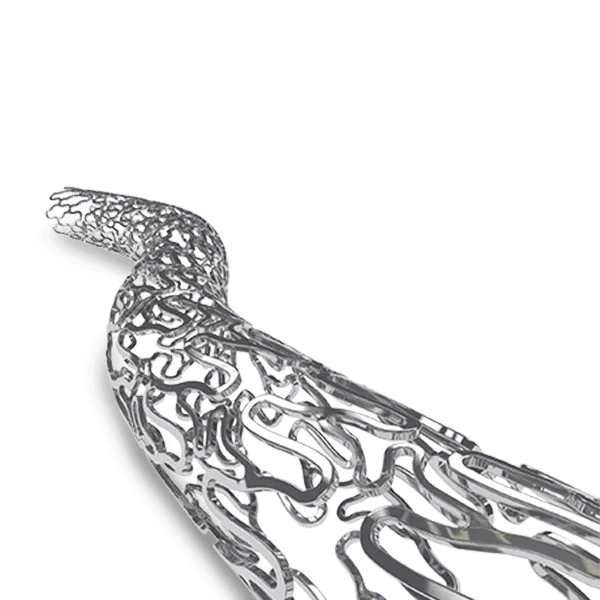
BioMime Aura™ Sirolimus-Eluting Coronary Stent System
A sirolimus-eluting coronary stent system with a biodegradable polymer coating. Designed for the treatment of complex coronary artery lesions, the system supports predictable stent deployment, high flexibility, and smooth intravascular navigation.
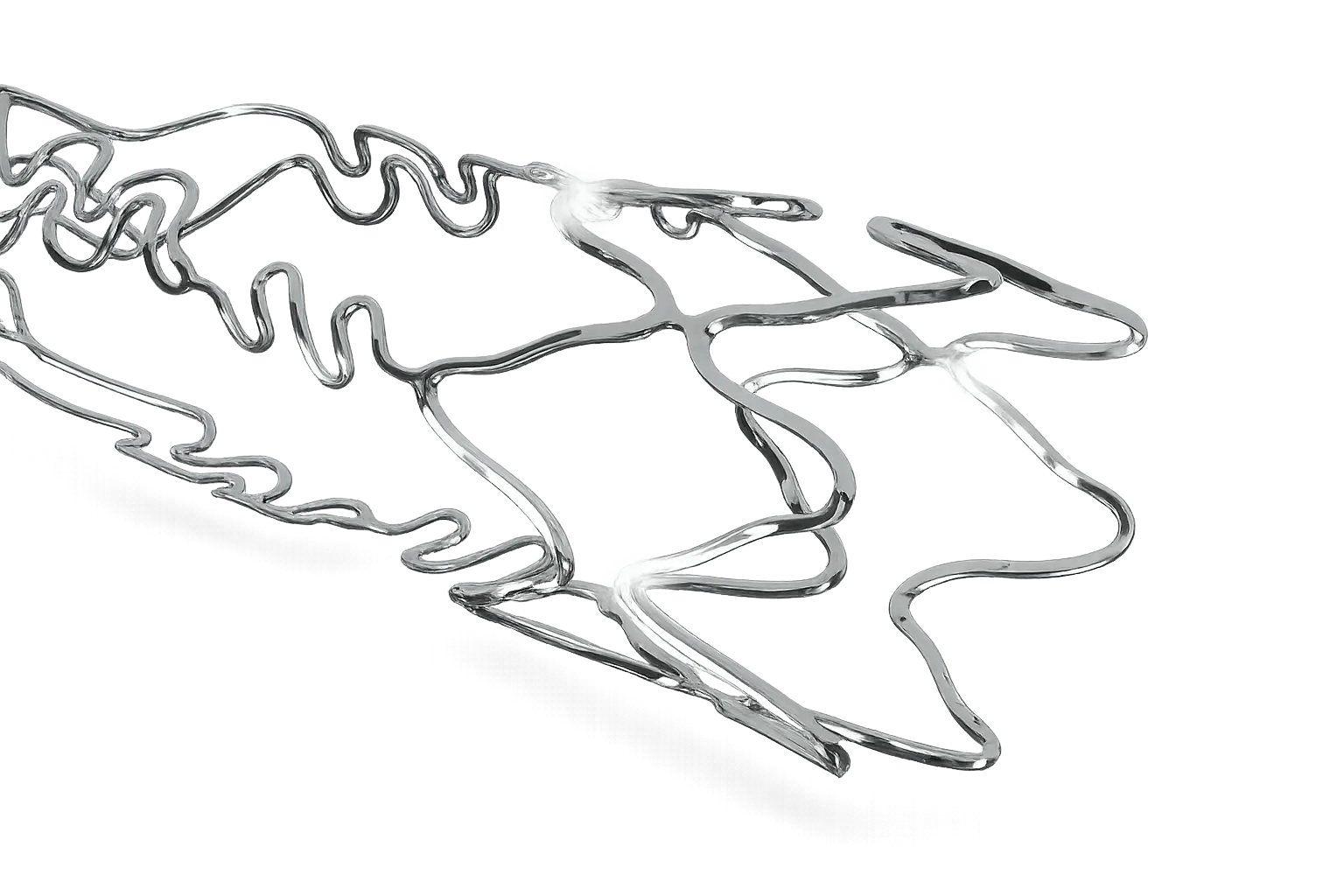
BioMime™ Branch Sirolimus Eluting Coronary Stent System
A coronary artery side-branch stent system with a sirolimus-based antiproliferative coating. Intended for the treatment of primary bifurcation lesions, the system is designed to support vessel lumen expansion and help reduce the risk of restenosis.
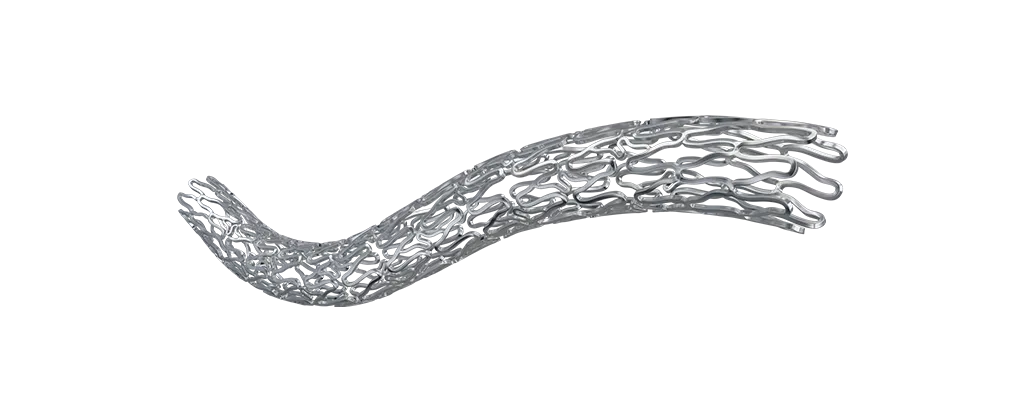
BioMime™ Morph Sirolimus-Eluting Coronary Stent System
A sirolimus-eluting coronary stent with an innovative tapered design. Developed to match the physiological anatomy of tapering vessels, it is intended for the treatment of long lesions without the need for multiple overlapping stents.
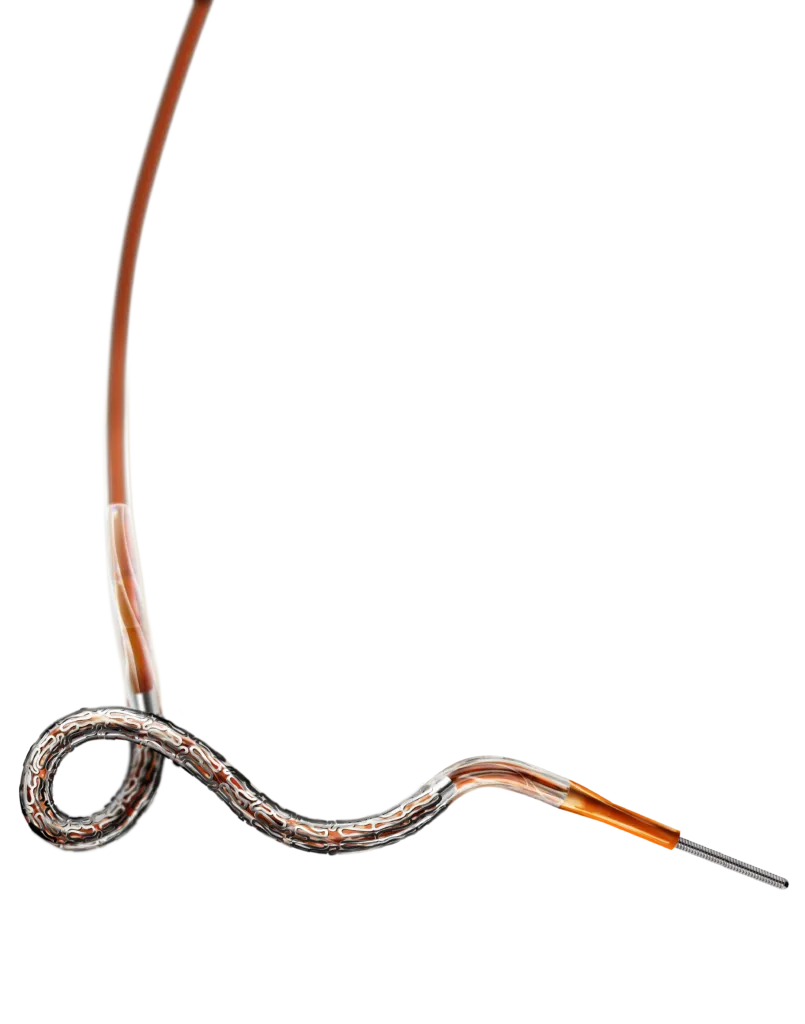
Evermine50™ Everolimus-Eluting Coronary Stent System
An everolimus-eluting coronary stent system intended to increase vessel lumen diameter in patients with symptomatic coronary artery disease. Designed for the treatment of both *de novo* and restenotic lesions in native coronary arteries.