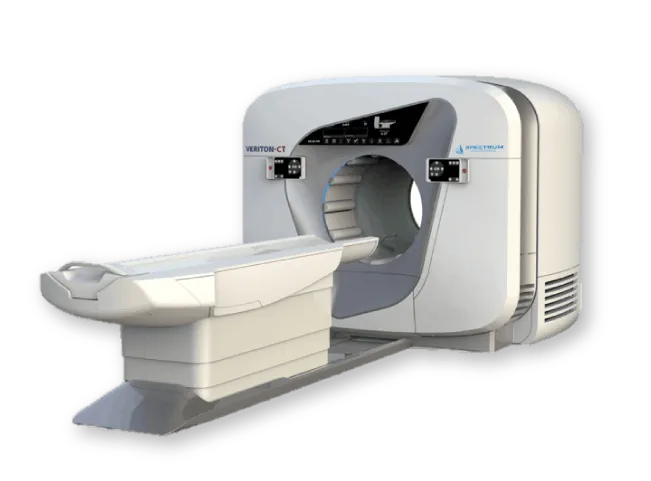
VERITON-CT Digital SPECT/CT hybrid system
A digital hybrid SPECT/CT scanner that combines nuclear medicine detector technology with diagnostic multi-slice computed tomography. The system is designed for high-quality three-dimensional whole-body tomographic imaging.
Key feature: ring-shaped CZT detector architecture
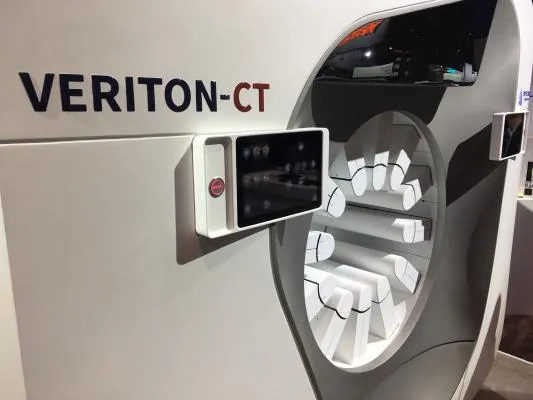
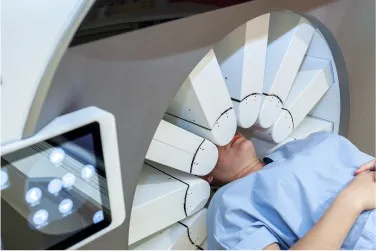
The VERITON-CT Series uses a ring-shaped architecture made up of independent digital CZT modules. The detectors are positioned around the patient and can adapt to the body contours, moving closer to the region of interest.
This design is intended to increase volumetric sensitivity, data acquisition efficiency, and the quality of three-dimensional SPECT imaging.
Image quality and diagnostic capabilities
The integration of digital SPECT and diagnostic CT enables fused anatomical and functional imaging and quantitative data analysis.
- Three-dimensional SPECT imaging: digital solid-state CZT detectors provide efficient photon detection and support detailed 3D image acquisition.
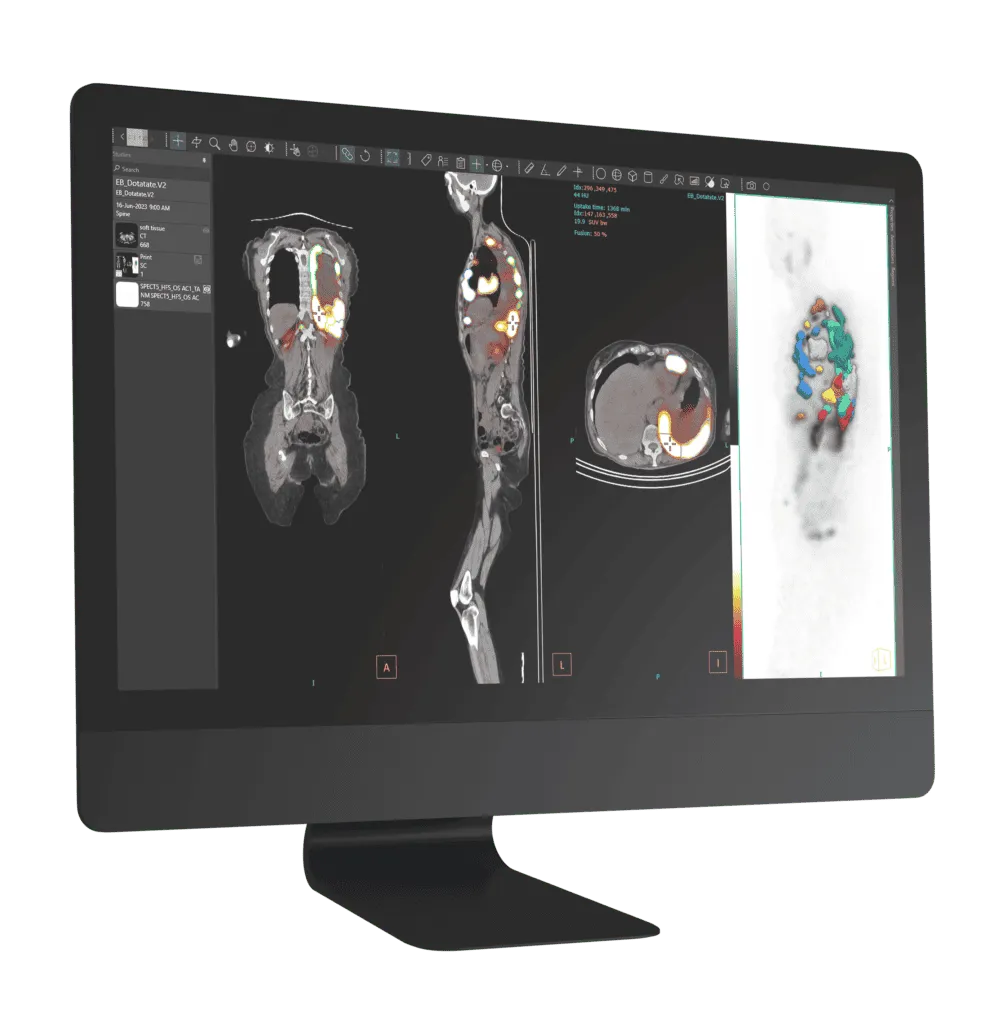
- Quantitative analysis: CT data are used for attenuation correction, while reconstruction algorithms help calculate quantitative radiopharmaceutical uptake parameters, including SUV, if supported by the software and examination protocol.
- Dynamic 4D imaging: dynamic protocols may be used to assess radiopharmaceutical distribution, uptake, and clearance over time.
- Diagnostic CT: the CT component is used for anatomical localization, SPECT data correction, and additional assessment of structural changes. Metal artifact reduction algorithms may improve CT image quality in patients with implants.
Software and workflow automation
The VERITON-CT Series digital platform supports automation of examination stages — from data acquisition to reconstruction, post-processing, and quantitative analysis.
- Whole-body scanning: the system supports whole-body scanning protocols, which may optimize workflow and reduce the patient’s time in the scanner.
- TruView ecosystem: the operator console combines scan control, reconstruction, and quantitative analysis in a single workspace.
- Integration with MIM-SD: MIM-SD software tools may be used for post-processing, organ segmentation, and multimodal image fusion, if this integration is included in the supplied configuration.
- Synchronization and reconstruction: automatic calibration, ECG synchronization, and Auto MPR multiplanar reconstruction help standardize complex protocols, including cardiac studies.
Patient ergonomics and safety
The system design is intended to improve patient comfort during the examination and reduce technical limitations during positioning.
- Spacious gantry design: the wide aperture facilitates patient positioning and may be more comfortable for patients with claustrophobia.
- Increased table load capacity: the motorized table is designed for imaging patients with increased body weight within the parameters specified by the manufacturer.
- Collision protection system: adaptive detector positioning and safety mechanisms help reduce the risk of mechanical contact with the patient.
- Radiation dose optimization: iterative reconstruction algorithms, including LISA, and CT dose modulation may be used to optimize the balance between image quality and radiation exposure in accordance with the clinical protocol.
Indications and clinical applications
The VERITON-CT Series can be used for hybrid SPECT/CT imaging in various clinical areas:
- Oncology: tumor staging, detection of bone metastases, and therapy response assessment.
- Cardiology: myocardial perfusion assessment and studies in suspected cardiac amyloidosis, if supported by the clinical protocol.
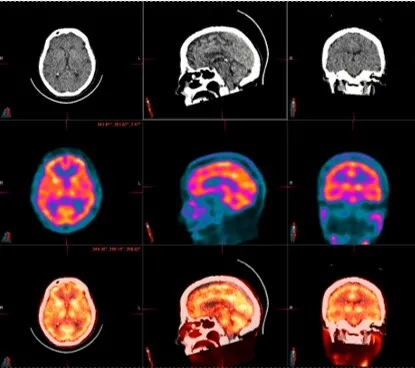
- Neurology: functional brain imaging.
- Orthopedics and traumatology: detection of occult fractures, assessment of bone tissue, and differential diagnosis of septic and aseptic loosening of joint prostheses.
- Infections and inflammation: diagnosis of inflammatory and infectious processes, including osteomyelitis and septic arthritis.
- Pediatrics: examinations performed according to clinical indications using protocols adapted to the patient’s age and body weight.
Benefits for the clinic
- Expanded diagnostic capabilities: the system enables hybrid SPECT/CT studies with anatomical and functional data correlation.
- Support for complex clinical protocols: the digital CZT platform and CT component support cardiac, oncological, neurological, and bone imaging studies.
- Quantitative data: quantitative analysis tools may be used for follow-up, therapy response assessment, and research tasks.
- Efficient use of space: a multipurpose SPECT/CT system may replace several separate solutions, depending on the department’s tasks and equipment configuration.